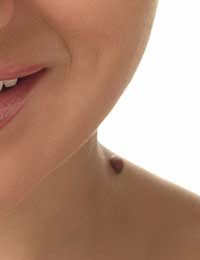
Wondering how to get rid of moles on your face through electrocauterization work?
Raised moles are the primary concern of this mole removal method. As the name suggests, electricity is used in this process. The moles will be exposed to electricity. This will be followed by complete removal of the moles. The skin moles are cut. The open wound is then secured using heat treatment.

One other treatment that has gained a lot of support from many people is laser surgery. Its advantage of having lesser side effects has earned many supporters and advocated the same. However, dermatologists are of the opinion that this treatment doesn't completely eradicate the presence of moles.
The total growth of the skin moles is unstoppable. There are instances where they appear and develop in other parts of the body, or even at the same spot. Upon seeking the expertise of a qualified doctor, you can ask about methods that can handle both raised and flat moles.
When you consider moles, these are actually deep rooted. That is why it is important for you to properly consult with a doctor, since this is a procedure that will bring about changes to your skin or even plastic surgery. It will be better if you can consult a dermatologist. Licensed dermatologists will guide you through the entire process, from the picking of which treatment to use to the post-surgery or post-treatment check-ups.
Scarring is a major after-effect dreaded by many who undergo skin surgery. The mole type, shape, size, elevation and color are huge factors affecting the doctor's recommendations regarding the proper treatment to be taken. If you follow them in the right way, you will be able to avoid scar formation or any irritation in the operated spot.
If a person has skin moles, there are great chances of getting skin tags as well. Therefore you should also ask about skin tag removal when you consult a doctor regarding removing your moles.
How to remove a mole that is oval in shape and is of an average size?
These moles are practically harmless; thus, there is no need to remove them. But if you wish to remove them for cosmetic reasons, you can try cryotherapy or simple excision techniques that cause mild scarring. It is not really pleasant to have a mole that is raised and quite of a large size to be located on a conspicuous area such as your cheek or forehead. Plastic surgery can be a better option in that case.
You can also apply liquid nitrogen. In this method, liquid nitrogen is used to freeze the moles. Frozen, the connection between the skin and the mole itself will be greatly weakened. This makes it easier for you to remove the moles.
The dead moles can be cut off the skin by doctors using scalpels. In order to secure the area, a few stitches will be done. This will be done by experienced doctors in the most painless way for the patient. It is normal for local anesthetics to be used during the procedure. This will also speed up the healing process. After the operation, you won't even be able to tell where the moles were originally located.
Raised moles are the primary concern of this mole removal method. As the name suggests, electricity is used in this process. The moles will be exposed to electricity. This will be followed by complete removal of the moles. The skin moles are cut. The open wound is then secured using heat treatment.
One other treatment that has gained a lot of support from many people is laser surgery. Its advantage of having lesser side effects has earned many supporters and advocated the same. However, dermatologists are of the opinion that this treatment doesn't completely eradicate the presence of moles.
The total growth of the skin moles is unstoppable. There are instances where they appear and develop in other parts of the body, or even at the same spot. Upon seeking the expertise of a qualified doctor, you can ask about methods that can handle both raised and flat moles.
When you consider moles, these are actually deep rooted. That is why it is important for you to properly consult with a doctor, since this is a procedure that will bring about changes to your skin or even plastic surgery. It will be better if you can consult a dermatologist. Licensed dermatologists will guide you through the entire process, from the picking of which treatment to use to the post-surgery or post-treatment check-ups.
Scarring is a major after-effect dreaded by many who undergo skin surgery. The mole type, shape, size, elevation and color are huge factors affecting the doctor's recommendations regarding the proper treatment to be taken. If you follow them in the right way, you will be able to avoid scar formation or any irritation in the operated spot.
If a person has skin moles, there are great chances of getting skin tags as well. Therefore you should also ask about skin tag removal when you consult a doctor regarding removing your moles.
How to remove a mole that is oval in shape and is of an average size?
These moles are practically harmless; thus, there is no need to remove them. But if you wish to remove them for cosmetic reasons, you can try cryotherapy or simple excision techniques that cause mild scarring. It is not really pleasant to have a mole that is raised and quite of a large size to be located on a conspicuous area such as your cheek or forehead. Plastic surgery can be a better option in that case.
You can also apply liquid nitrogen. In this method, liquid nitrogen is used to freeze the moles. Frozen, the connection between the skin and the mole itself will be greatly weakened. This makes it easier for you to remove the moles.
The dead moles can be cut off the skin by doctors using scalpels. In order to secure the area, a few stitches will be done. This will be done by experienced doctors in the most painless way for the patient. It is normal for local anesthetics to be used during the procedure. This will also speed up the healing process. After the operation, you won't even be able to tell where the moles were originally located.